

Introduction
SWVG is committed to campaigning and advocating on behalf of asylum seekers and refugees in the UK. Our work goes on throughout the year to raise awareness of the difficulties faced under the current system, contribute to the popular debate and seek to influence policy makers in light of the experiences of the people we work with.
We are calling for an asylum system that is more effective, fair and humane, with safe routes for people who need sanctuary to reach the UK.
We contact our local MPs and political parties, write letters and articles for newspapers, and do interviews for radio and TV.
We support national campaigns (such as those led by Refugee Action and the Refugee Council) where these are relevant to our local issues.
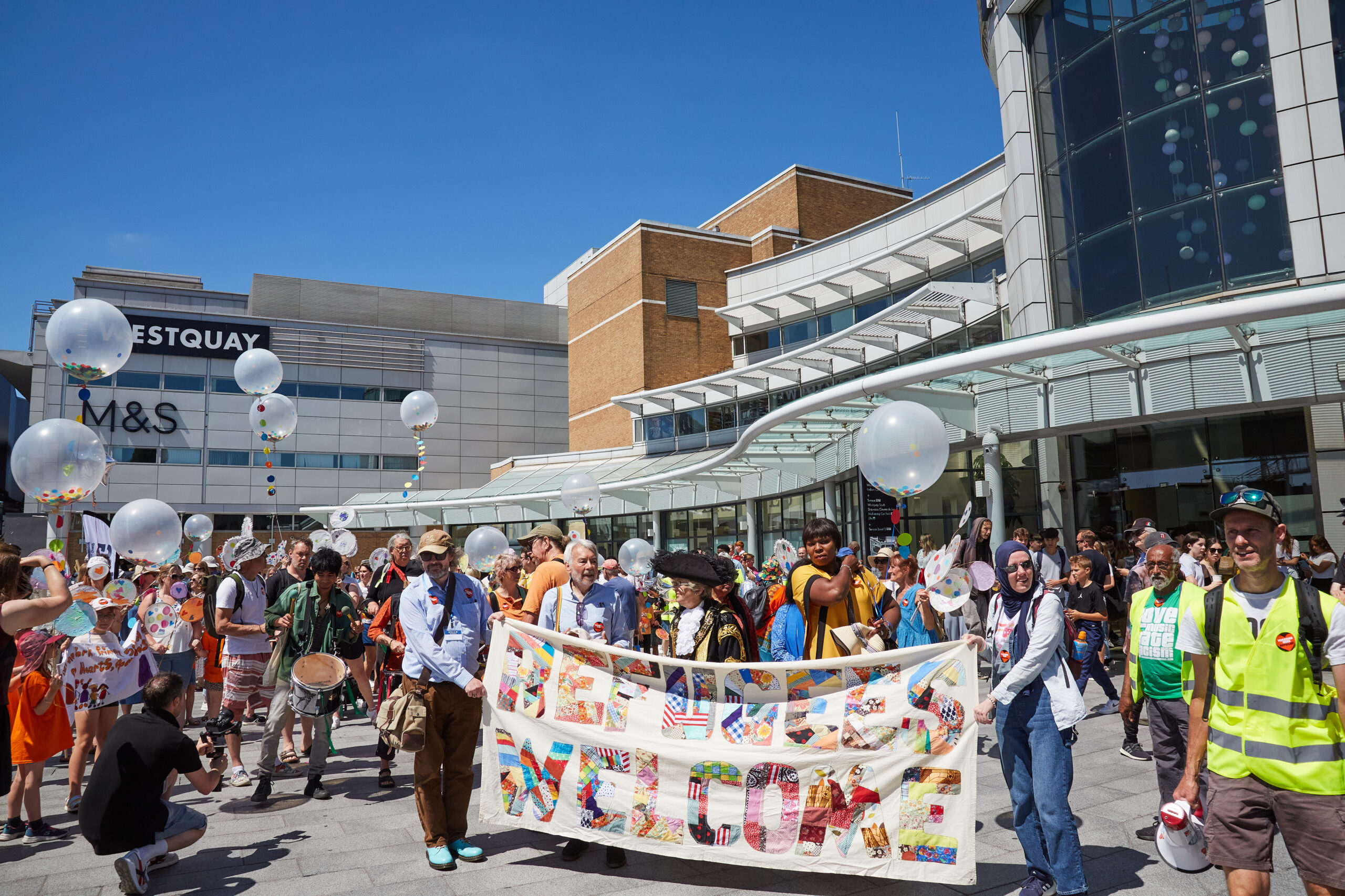
Our Refugee Week parade, music and dance events bring people together to celebrate the cultures in our community.
You can read an evidenced based report produced by SWVG on the asylum system here for detailed analysis of the current challenges
If you are interested in supporting any of our campaigns, please contact info@swvg-refugees.org.uk.
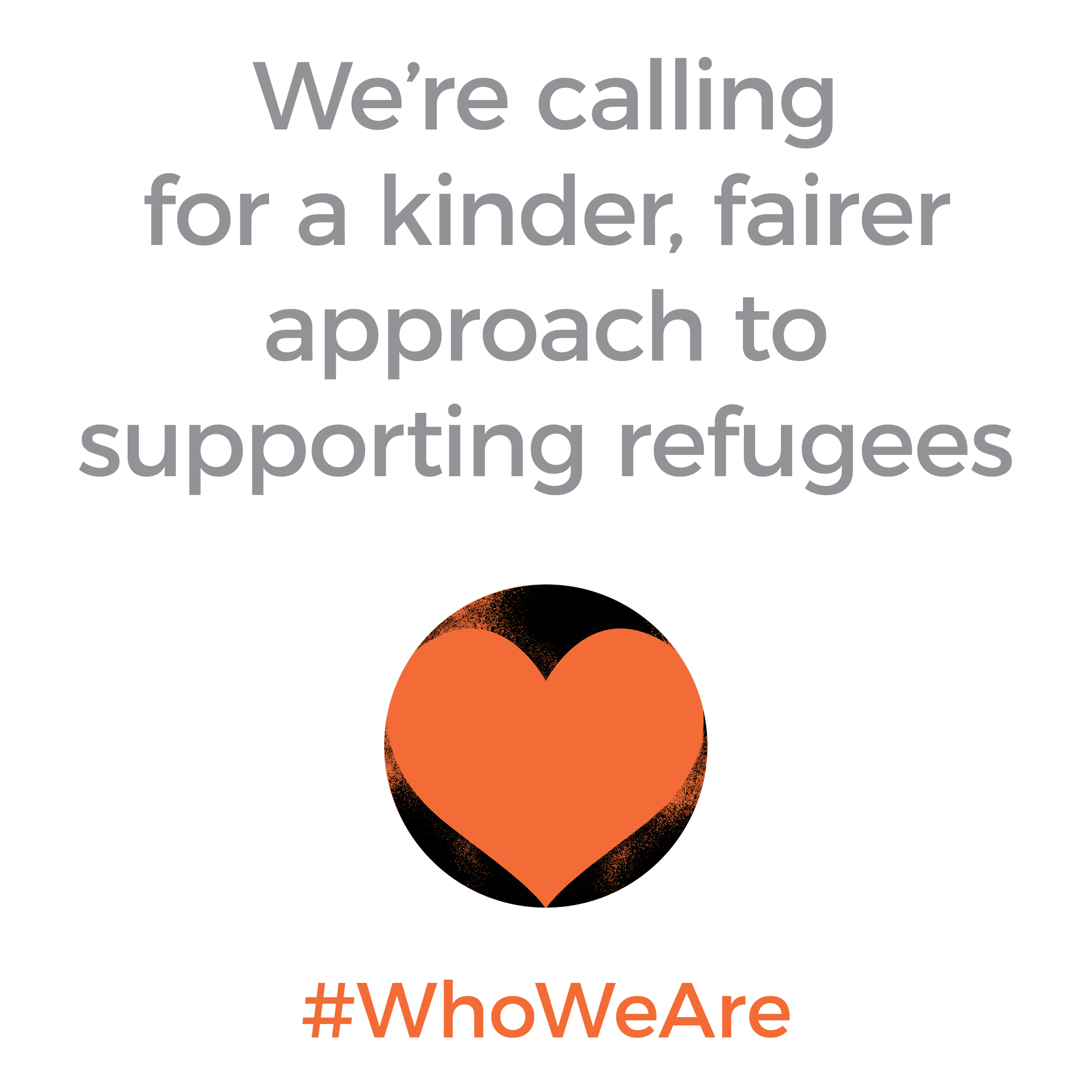
Refugees have always been part of the UK – it’s #WhoWeAre.
Today, with over 350 other organisations we’re calling for a better approach to supporting refugees that is kinder, fairer and more effective. #TogetherWithRefugees
www.togetherwithrefugees.org.uk
How we treat refugees is about who we are. At our best, we are welcoming and kind to those facing difficult times. If any one of us feared for our lives or for our loved ones, we’d want to know that others would help us to safety.
Together, we are calling for a better approach to supporting refugees that is more effective, fair and humane. This means standing up for people’s ability to seek safety in the UK no matter how they came here and ensuring people can live in dignity while they wait for a decision on their asylum application. It means empowering refugees to rebuild their lives and make valuable contributions to our communities. And it means the UK working with other countries to do our bit to help people who are forced to flee their homes.